

Gasten-WiFi-analytics & Customer Intelligence
WiFi-analytics voor hotels, retail, winkelcentra en fysieke locaties
Wiacom combineert gasten-WiFi-analytics, geverifieerde first-party data, presence-analytics en data uit andere systemen van de locatie, zodat organisaties bezoeken, terugkerende bezoekers, verblijfsduur, klantbetrokkenheid en gedrag op fysieke locaties beter begrijpen.
Wat is gasten-WiFi-analytics?
Gasten-WiFi-analytics gebruikt informatie die ontstaat via WiFi-verbindingen, gastonboarding en compatibele netwerkinfrastructuur om organisaties te helpen begrijpen hoe klanten en bezoekers omgaan met fysieke locaties.
Afhankelijk van de implementatie en de beschikbare data kan Wiacom inzicht geven in:
- gastregistraties en geverifieerde klantprofielen;
- nieuwe en terugkerende bezoekers;
- bezoekfrequentie en percentages terugkerende bezoeken;
- verblijfsduur en tijd die op een locatie of in een zone wordt doorgebracht;
- footfall- en presence-trends;
- klantbetrokkenheid en campagne-interacties;
- apparaat- en connectiviteitsgedrag;
- prestaties van meerdere locaties;
- first-party klantdata met toestemming.
Wiacom kan WiFi-analytics combineren met informatie uit CRM, CDP, loyaltysystemen, POS, PMS, sensoren, tellers en andere goedgekeurde databronnen, voor een breder beeld van klantgedrag in de fysieke wereld.
Gasten-WiFi-analytics voor hotels
Hotels kunnen WiFi-interacties koppelen aan context uit reserveringen, verblijven, loyalty en gastprofielen, om terugkerende gasten, betrokkenheid en het verband tussen WiFi-gebruik en de bredere gastreis beter te begrijpen.
WiFi-analytics voor retail
Retailers en winkelcentra kunnen WiFi-analytics samen met footfall, verblijfsduur, terugkerende bezoeken en first-party klantdata gebruiken om te begrijpen hoe bezoekers omgaan met winkels, zones en campagnes.
WiFi-klantanalytics kan via ondersteunde integraties ook gestructureerde data over fysieke aanwezigheid en betrokkenheid leveren aan CRM-, CDP-, BI- en AI-systemen.
WiFi-analytics voorbij MAC-adrestracking
Moderne besturingssystemen gebruiken steeds vaker MAC-adresrandomisatie en andere privacymechanismen, waardoor analytics die uitsluitend op passieve apparaatidentificatie is gebaseerd minder betrouwbaar wordt.
Afhankelijk van de netwerkinfrastructuur, het apparaatgedrag en de beschikbare databronnen kan dit gevolgen hebben voor metrics zoals unieke bezoekers, terugkerende bezoeken, bezoekfrequentie, verblijfsduur, beweging tussen zones, heatmaps en op presence gebaseerde footfall-schattingen.
Wiacom is niet beperkt tot analytics op basis van MAC-adressen.
Identiteits- en toegangsmethoden zoals Captive Portal, Guest Connect, WiFi Pass en Passpoint zorgen voor een sterkere continuïteit tussen een klant en diens netwerkactiviteit.
- Captive Portal kan WiFi-sessies koppelen aan geverifieerde klantprofielen of profielen waarvoor toestemming is gegeven.
- Guest Connect kan de identiteit van een klant vaststellen vóór of onafhankelijk van de traditionele Captive Portal-flow en die identiteit, waar ondersteund, koppelen aan latere toegang.
- WiFi Pass biedt individuele WiFi-inloggegevens, zodat sessies en terugkerende bezoeken worden gekoppeld aan een blijvende gebruikersidentiteit in plaats van aan een gedeeld wachtwoord of een wisselende apparaat-ID.
- Passpoint WiFi / Hotspot 2.0 zorgt voor veilige, automatische herverbinding van herkende gebruikers en apparaten, en biedt op ondersteunde infrastructuur een sterkere continuïteit voor analytics over terugkerende bezoekers.
Deze identiteitssignalen kunnen worden gecombineerd met RADIUS-sessies, PMS, CRM, loyaltysystemen, sensoren, tellers en andere compatibele bronnen.
In veel implementaties levert dit dezelfde analytics op die traditioneel met passieve WiFi-tracking worden geassocieerd — en in sommige gevallen betrouwbaardere inzichten op klantniveau — omdat analytics kan worden gekoppeld aan een geauthenticeerde of bekende identiteit in plaats van alleen te vertrouwen op het MAC-adres van het apparaat.
De beschikbaarheid en nauwkeurigheid van elke metric hangen af van de infrastructuur, de toegangsmethode, het integratiemodel, de privacyconfiguratie en de signalen die in elke implementatie beschikbaar zijn.
Compleet 3-assig overzicht van elke fysieke locatie
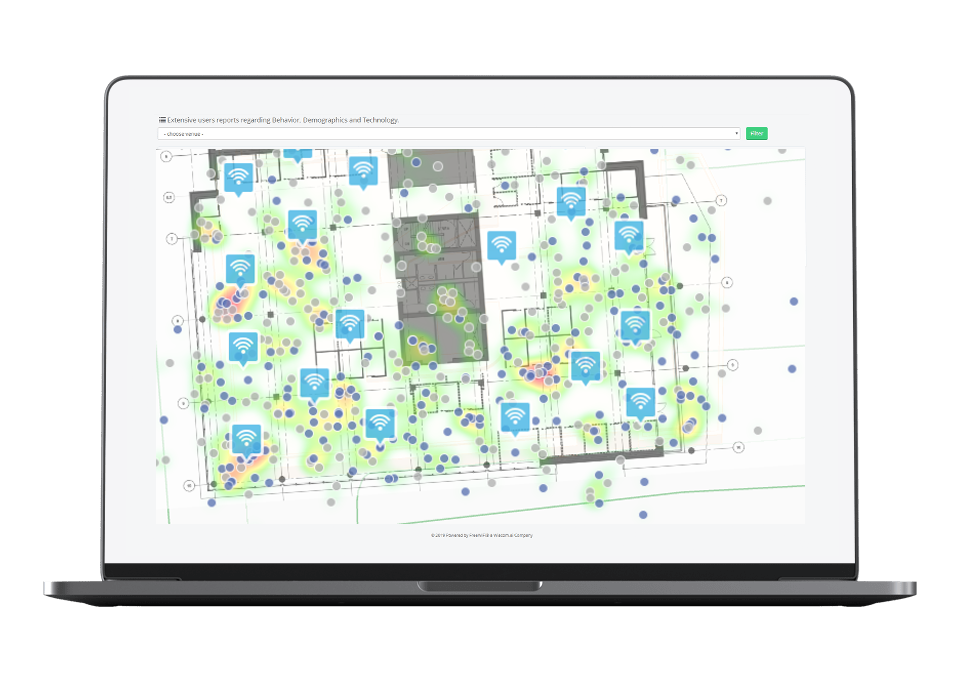
Wiacom bundelt en consolideert zero-party data en first-party data uit uiteenlopende bronnen, zoals de WiFi Portal, mobiele apps, loyaltysystemen, sensoren, beacons, warmtebeeldcamera’s en andere IoT-apparaten, voor een compleet 3-assig overzicht van uw locatie en doelgroep.
- POS en klantgedrag: Integreer Wiacom met compatibele POS-systemen om transactiecontext toe te voegen aan presence- en klantdata. Zo kunnen locaties worden opgedeeld in zones of subgebieden voor diepgaandere gedragsanalyse.
- Footfall- en presence-analytics: Combineer WiFi met beacons, tellers en andere compatibele IoT-sensoren om bezoekersstromen, aanwezigheid en activiteitspatronen op fysieke locaties beter te begrijpen.
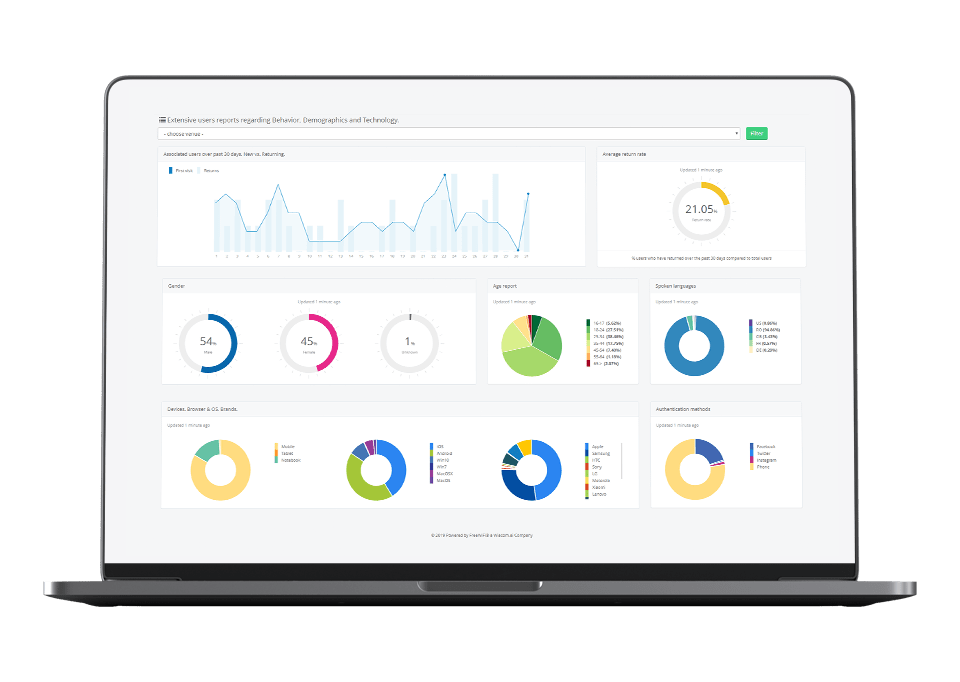
- Inzichten in terugkerende bezoekers: Analyseer terugkeerpercentages, bezoekfrequentie en patronen van terugkerende bezoeken, waar geschikte identiteits- of netwerksignalen beschikbaar zijn.
- Uniforme analytics voor fysieke ruimtes: Breng informatie uit WiFi, sensoren, slimme camera’s, ticketingsystemen, boardingpass-scanners, bezoekerstellers en andere compatibele databronnen samen in één gemeenschappelijke analytics-omgeving.
Datagedreven beslissingen
Fysieke bedrijven moeten weten wie hun locaties bezoekt, hoe ruimtes worden gebruikt en hoe klantgedrag in de loop van de tijd verandert. Wiacom biedt verschillende teams een gemeenschappelijke analyticslaag die WiFi-, klant- en ruimtedata kan combineren.
- Marketing: Gebruik geverifieerde zero-party data en first-party data met toestemming, verzameld via gasten-WiFi en andere goedgekeurde bronnen, samen met bezoekfrequentie, klantbetrokkenheid en inzichten in fysiek gedrag om segmentatie, campagnerelevantie en meting te verbeteren.
- Operations: Gebruik footfall, bezettingsgraad, verblijfsduur en activiteitspatronen om beter te begrijpen hoe fysieke ruimtes worden gebruikt en om operationele planning, personeelsinzet en de toewijzing van middelen te ondersteunen.
- Verhuur, beveiliging en onderhoud: Gebruik footfall- en zone-analytics als aanvullende context voor beslissingen over de indeling van de locatie, ruimtegebruik, noodplanning, plaatsing van digital signage en facility management.
Door customer intelligence te combineren met analytics voor fysieke ruimtes helpt Wiacom organisaties om beter onderbouwde commerciële en operationele beslissingen te nemen.
Wiacom biedt een reeks geavanceerde functies die u via zorgvuldige dataverzameling en -analyse een compleet inzicht in uw doelgroep geven. Onze geïntegreerde aanpak combineert de volgende kernfuncties om uw besluitvorming te versterken:
- Analyse van het verzorgingsgebied (Catchment Area): Begrijp de demografische en geografische spreiding van uw doelgroep. Door het verzorgingsgebied in kaart te brengen, ziet u waar uw klanten en bezoekers vandaan komen, wat gerichte marketing en strategische planning mogelijk maakt.
- Dataverzameling en geverifieerde klantdata: Wiacom kan verificatiemethoden zoals e-mailbevestiging of tweefactorauthenticatie (2FA) gebruiken om het vertrouwen in de kwaliteit van contactgegevens en klantidentiteit te vergroten. De passende verificatiemethode hangt af van de registratieflow, het gebruiksscenario en de vereisten van de implementatie.
- Ken uw doelgroep: Duik diep in doelgroepanalytics om het gedrag van klanten en bezoekers te begrijpen. Onze tools geven een gedetailleerd overzicht van footfall, verblijfsduur, wachtrijlengtes en meer, zodat u uw diensten en aanbod kunt afstemmen op de behoeften en voorkeuren van uw doelgroep.
- Uiteenlopende data samenbrengen: Breng data van verschillende sensoren en bronnen samen op één samenhangend platform. Dit uniforme overzicht geeft u een compleet en nauwkeurig beeld van de data waarover u beschikt.
- Footfall- en gedragsanalytics: Krijg een totaalbeeld van hoe klanten en bezoekers omgaan met uw ruimte. Onze analytics geven diepgaand inzicht in footfall-patronen en gedrag, zodat u indelingen kunt optimaliseren, de klantervaring kunt verbeteren en zakelijke groei kunt stimuleren.
- Eenvoudig sensoren plotten: Zet sensoren op een plattegrond en markeer zones met gemak, voor nauwkeurige monitoring en analyse van belangrijke gebieden.
- Heatmaps en footfall-inzichten: Gebruik heatmaps en tellers voor gedetailleerde statistieken over klantbewegingen en -gedrag. Deze tools helpen drukke gebieden en knelpunten te identificeren, wat effectief ruimtebeheer en optimalisatie mogelijk maakt.
- Meerdere visualisaties voor kernmetrics: Ontdek diverse visualisatieopties om verschillende aspecten van footfall, verblijfsduur, wachtrijbeheer en andere gedragsmetrics te ontleden en te begrijpen. Deze veelzijdige aanpak levert genuanceerde inzichten op en ondersteunt goed onderbouwde beslissingen.
- Data over meerdere vestigingen bekijken: Voor bedrijven met meerdere locaties kan ons platform data van alle vestigingen samenvoegen. Dit levert een geconsolideerd overzicht op, inclusief historische data, voor uitgebreide analyse en vergelijking.
Met deze functies biedt Wiacom bedrijven een robuust kader om hun doelgroep te begrijpen, hun operatie te optimaliseren en hun strategische besluitvorming te versterken.
WiFi-identiteit, toegang, engagement en analytics voor marketing-, IT- en operationele teams

VS, VK, EU: +40 721 260 892
info@wiacom.ai
© 2026 Wiacom
Alle rechten voorbehouden


